Shenzhen Wjm Silicone & Plastic Electronic Co., Ltd.
EN
Shenzhen Wjm Silicone & Plastic Electronic Co., Ltd.
EN
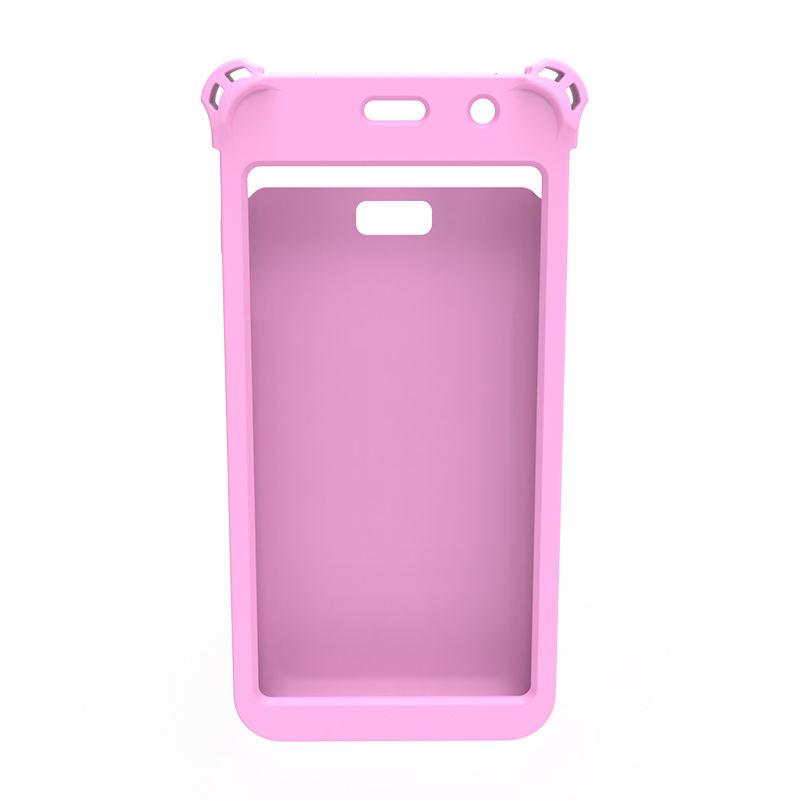
POS Terminal Silicone Case Solution
IntroductionIn the modern business environment, payment and POS (Point of Sale) terminals have become core devices in retail, catering industry, supermarkets, and service industries. These devices handle a large volume of transactions daily, facing challenges such as frequent use, accidental collisions, dust accumulation, and liquid splashes. To protect these expensive devices and extend their lifespan, developing an efficient and durable silicone protective case solution is crucial. This solution focuses on the design of silicone cases for payment and POS terminals, providing comprehensive protection, ease of use, and customization options. 

It aims to help merchants reduce maintenance costs and improve device reliability. Silicone, as a flexible, heat-resistant, and cold-resistant material, is highly suitable for such applications, offering all-around protection without affecting device functionality.
This scheme will elaborate in detail from aspects such as problem analysis, design principles, material selection, manufacturing process, functional features, implementation steps, advantage evaluation, as well as potential challenges and optimizations.
Problem Analysis
  • Physical Damage
    POS Terminals are often placed on counters or used portably, prone to screen cracks or shell deformation due to drops, collisions, or heavy pressure.
  • Environmental Contamination
    In catering industry or outdoor environments, dust, oil stains, water stains, and bacteria can easily adhere, leading to device failures or hygiene risks, especially post-pandemic, where device cleaning has become a priority.
  • Operational Inconvenience
    Poorly designed protective cases may affect touchscreen sensitivity, interface access, or heat dissipation, degrading user experience.
  • Cost and Maintenance
    Frequent device replacements or repairs increase merchant costs, while generic protective cases without customization options cannot adapt to different brands of terminals (such as Verifone, Ingenico, or Square).
  • Aesthetics and Branding
    Protective cases should balance practicality and appearance to match the merchant's brand image, avoiding negative impacts on the store's overall aesthetics.
Design Principles
  • Ergonomics
    The case shape conforms to the terminal's contour, ensuring comfortable grip, with precise cutouts for buttons and interfaces to avoid operational interference.
  • Protection Priority
    Thickened edge design enhances impact resistance; surface texture provides anti-slip properties to reduce drop risks.
  • Compatibility
    Supports various POS terminal models, such as fixed, mobile, or integrated payment terminals, achieved through modular design for quick adaptation.
  • Sustainability
    Uses eco-friendly silicone materials that are easy to recycle, complying with EU RoHS standards.
  • Customization
    Protective cases should balance practicality and appearance to match the merchant's brand image, avoiding negative impacts on the store's overall aesthetics.

Material Selection

Silicone is the core material of this solution, with advantages including:

Durability
Hardness range of Shore A 30-60, high tear strength, capable of withstanding temperature changes from -50°C to 200°C, suitable for various climatic environments.
Flexibility
High elastic modulus ensures the case does not deform easily while not affecting capacitive touchscreen response.
Additional Materials
Can integrate TPU (thermoplastic polyurethane) for reinforced frames or add antimicrobial agents (such as silver ion coatings) to inhibit bacterial growth.
Waterproof and Dustproof
IP65 waterproof rating to prevent liquid ingress; smooth surface for easy cleaning, wipeable with alcohol for disinfection.
Environmental and Safety
Select food-grade silicone, non-toxic and odorless, certified by FDA to avoid harm in human or food contact scenarios.

Compared to plastic or leather, silicone is lighter (density about 1.1g/cm³), lower cost (approximately 5-10 RMB per piece, depending on volume), and offers better vibration absorption.

Manufacturing Process

The manufacturing process employs injection molding technology to ensure precision and efficiency:

Mold Design
Use CAD software for modeling, create molds based on 3D scanning data of the terminal, supporting rapid iterations.
Injection Molding
Inject into the mold at 150-180°C, with a molding time of about 30-60 seconds per piece.
Mass Production
Use automated production lines with a daily capacity of 5000 pieces, suitable for OEM customization.
Raw Material Preparation
Mix silicone base, colorants, and curing agents to ensure uniformity.
Post-Processing
After demolding, perform deburring, surface coating (such as matte treatment), and quality inspection, including tensile testing and drop simulation (from 1.5 meters height).

For businesses relying on handheld terminals—such as POS systems, warehousing, logistics, supermarket inventory, outdoor checks, and specialized equipment handling—device reliability directly affects operational quality. As a low-cost accessory, silicone protective cases deliver value well beyond basic protection. They support businesses across three key dimensions: cost savings, efficiency improvement, and compliance assurance, making them a practical tool for reducing costs, boosting efficiency, and mitigating risks.Handheld terminals involve high procurement and maintenance costs. Daily drops, collisions, dust, and environmental wear often lead to frequent damage, trapping businesses in a costly cycle of “repair–damage–repair.” Silicone cases address this at the source through holistic protection, delivering tangible savings.Impact Resistance: Highly elastic silicone cushions against drops and collisions. Real-world tests show it can reduce screen breakage and body deformation by over 80%, cutting repeated expenses on parts and labor.Longevity Extension: UV resistance, splash protection, and dustproofing slow casing aging and internal wear, extending device lifespan by roughly 30% and deferring upgrade costs.Easy Maintenance: The dirt-resistant, easy-to-clean surface lowers daily cleaning efforts and material costs, shifting focus from post-failure repair to preventive, low-cost care.By adopting silicone cases, companies move from reactive spending to lifecycle cost control—achieving predictable expenses and sustained device performance.

The entire process cycle is short (about 7-10 days from design to finished product), with costs controlled within a reasonable range.

Functional Features

This silicone case solution provides the following key functions:

All-Around Protection
Thickened buffer zones on all four sides to absorb impacts; raised screen edges to prevent direct ground contact.
Heat Dissipation Optimization
Ventilation holes on the back to promote airflow and avoid device overheating.
Smart Integration
Future embedding of RFID chips for device tracking or inventory management.
Interface Compatibility
Pre-cut openings for USB, charging ports, card slots, and cameras, ensuring seamless connection to printers or scanners.
Additional Convenience
Optional built-in stand for desktop placement; magnetic attachment for fixing on metal surfaces.
Colors and Styles
Available in black, gray, blue, and other colors, supporting screen printing of merchant logos to enhance brand exposure.

For businesses relying on handheld terminals—such as POS systems, warehousing, logistics, supermarket inventory, outdoor checks, and specialized equipment handling—device reliability directly affects operational quality. As a low-cost accessory, silicone protective cases deliver value well beyond basic protection. They support businesses across three key dimensions: cost savings, efficiency improvement, and compliance assurance, making them a practical tool for reducing costs, boosting efficiency, and mitigating risks.Handheld terminals involve high procurement and maintenance costs. Daily drops, collisions, dust, and environmental wear often lead to frequent damage, trapping businesses in a costly cycle of “repair–damage–repair.” Silicone cases address this at the source through holistic protection, delivering tangible savings.Impact Resistance: Highly elastic silicone cushions against drops and collisions. Real-world tests show it can reduce screen breakage and body deformation by over 80%, cutting repeated expenses on parts and labor.Longevity Extension: UV resistance, splash protection, and dustproofing slow casing aging and internal wear, extending device lifespan by roughly 30% and deferring upgrade costs.Easy Maintenance: The dirt-resistant, easy-to-clean surface lowers daily cleaning efforts and material costs, shifting focus from post-failure repair to preventive, low-cost care.By adopting silicone cases, companies move from reactive spending to lifecycle cost control—achieving predictable expenses and sustained device performance.
Implementation Steps
  • Needs Assessment
    Analyze existing POS terminal models, usage environments, and pain points.
  • Sample Customization
    Provide 3D renderings and prototype samples for design confirmation.
  • Bulk Procurement:
    Produce based on order volume, with a minimum order of 100 pieces.
  • Installation and Training
    Simply slip onto the device without tools; provide user manuals and train staff on cleaning methods.
  • After-Sales Support
    1-year warranty, free replacement for damaged cases; regular feedback for design optimization.
Advantage Evaluation
  • 01
    Cost Savings
    Reduce device damage rates by 30-50%, cutting repair costs by 20%.
  • 02
    Efficiency Improvement
    Easy-to-clean design shortens maintenance time, increasing transaction speed.
  • 03
    User Satisfaction
    Comfortable feel and aesthetic appearance enhance employee and customer experience.
  • 04
    Market Competitiveness
    Customization options help merchants differentiate, potentially increasing brand loyalty. According to industry data (such as Gartner reports), similar protective measures can extend device lifespan by 1-2 years.
Potential Challenges and Optimizations
  • Compatibility Issues
    Frequent updates to new terminal models require continuous design iterations.
  • Material Aging
    Long-term UV exposure may cause discoloration, optimizable by adding UV stabilizers.
  • Cost Sensitivity
    Small merchants have limited budgets; provide tiered pricing (basic vs. premium versions). Optimization Strategies: Collaborate with terminal manufacturers for pre-installed cases; sell through e-commerce platforms for global distribution.

Send Inquiry

Copyright © 2026 Shenzhen Wjm Silicone & Plastic Electronic Co., Ltd. All rights reserved. Privacy Policy
We will contact you immediately

Fill in more information so that we can get in touch with you faster

Privacy statement: Your privacy is very important to Us. Our company promises not to disclose your personal information to any external company with out your explicit permission.
Send